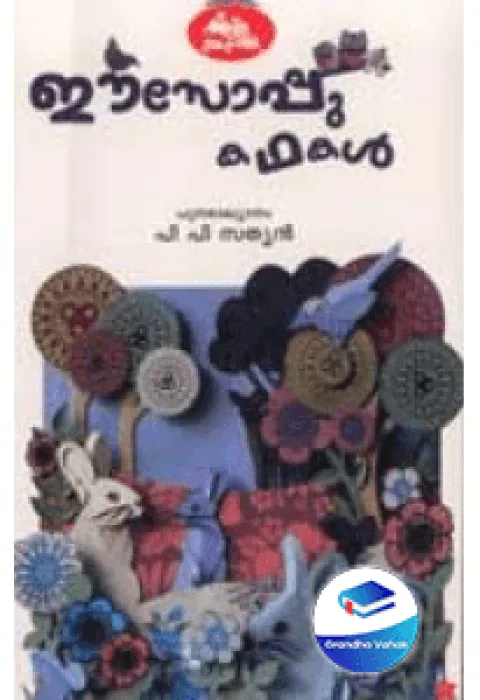
Aesop Kathakal by P P Sathyan
GV - L2
Category
Non-Fiction
Sub
Literature
Language
Malayalam
Available for Borrowing
Quick Look:
MLNFLAeKa-001 “Aesop Kathakal” refers to a collection of Aesop’s fables translated or adapted by P.P. Sathyan. Aesop’s fables are a renowned collection of short stories featuring anthropomorphic animals, each tale conveying a moral lesson or a piece of wisdom.
The fables, often brief and featuring animals, illustrate moral dilemmas, human behavior, and ethical lessons through storytelling. Aesop, believed to have lived in ancient Greece around 600 BCE, is credited with creating these timeless stories that continue to resonate across cultures and generations.
P.P. Sathyan’s adaptation or translation of Aesop’s fables likely aims to make these classic tales more accessible to readers in Malayalam, retaining the essence of the original stories while presenting them in a format suitable for the local audience. The stories typically use animal characters to teach valuable lessons about life, morality, and human nature.
"Aesop Kathakal" refers to a collection of Aesop's fables translated or adapted by P.P. Sathyan. Aesop's fables are a renowned collection of short stories featuring anthropomorphic animals, each tale conveying a moral lesson or a piece of wisdom.
The fables, often brief and featuring animals, illustrate moral dilemmas, human behavior, and ethical lessons through storytelling. Aesop, believed to have lived in ancient Greece around 600 BCE, is credited with creating these timeless stories that continue to resonate across cultures and generations.
P.P. Sathyan's adaptation or translation of Aesop's fables likely aims to make these classic tales more accessible to readers in Malayalam, retaining the essence of the original stories while presenting them in a format suitable for the local audience. The stories typically use animal characters to teach valuable lessons about life, morality, and human nature.